Understanding Recessions: Everything You Need to Know
By: Compiled from various sources | Published on Nov 21,2025
Category Beginner
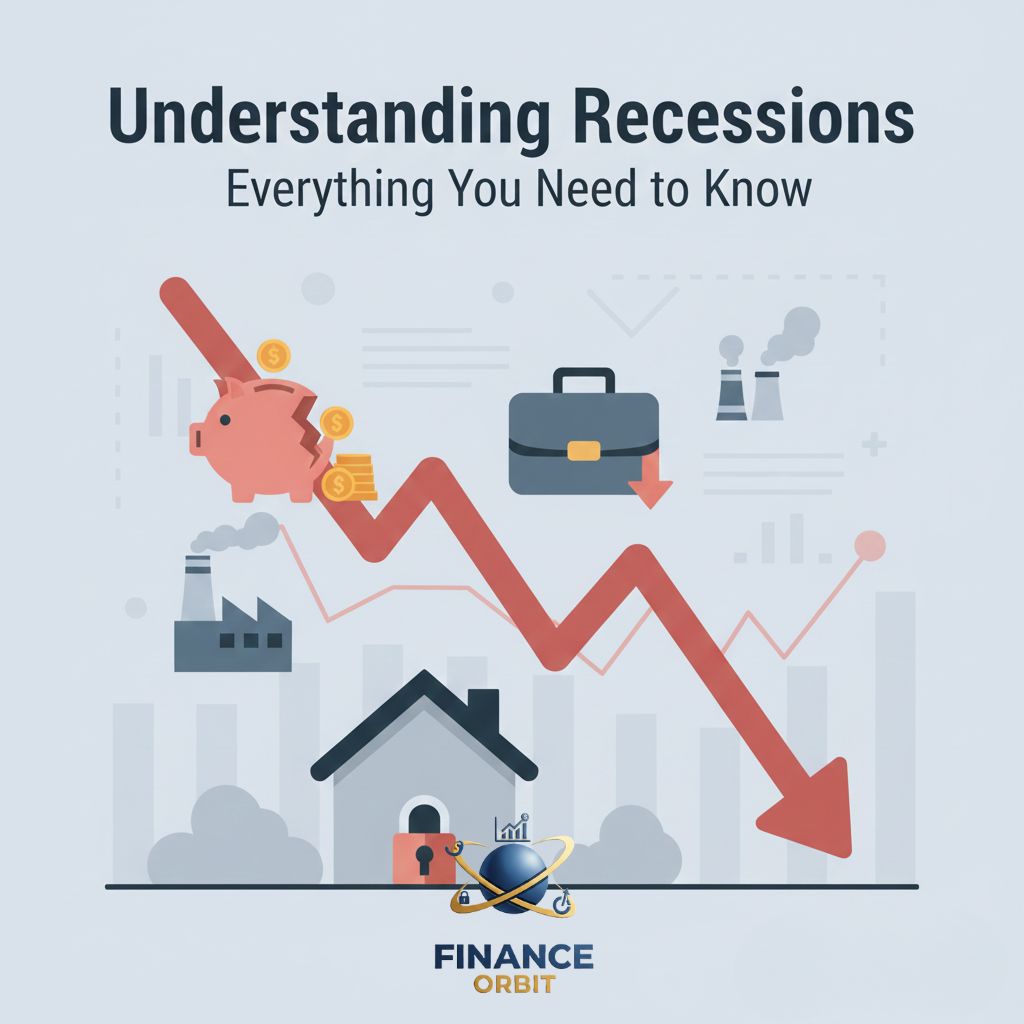
Economic terms like “recession” often make headlines, especially during periods of financial uncertainty. But what exactly is a recession? How does it occur? Who does it affect, and can there ever be any positives? In this article, we will explore everything about recessions in detail—breaking it down in a way that anyone can understand.
What Is a Recession?
A recession is a significant decline in economic activity that lasts for a prolonged period, typically visible across the economy in various indicators like GDP, employment, income, and production. Simply put, it’s when the economy slows down considerably.
Economists usually define a recession as two consecutive quarters of negative Gross Domestic Product (GDP) growth, though other indicators like rising unemployment and reduced consumer spending are also taken into account. Recessions are natural parts of the economic cycle, occurring even in otherwise healthy economies.
How Does a Recession Work?
To understand how a recession works, it’s important to understand the economic cycle. Economies typically go through periods of expansion and contraction:
Expansion: Businesses grow, people spend more, and employment rises.
Peak: Economic growth hits its maximum, inflation may start rising.
Contraction (Recession): Spending slows, production decreases, and unemployment rises.
Trough: The economy hits its lowest point before starting to recover again.
During a recession, consumer confidence drops, which reduces spending. Businesses notice falling sales and may cut costs by laying off employees or reducing production. Reduced income and spending create a negative feedback loop, prolonging the recession.
Why Do Recessions Happen?
Recessions can occur for various reasons, and often, it’s a combination of multiple factors. Some of the most common causes include:
1. Decrease in Consumer Spending
When people spend less, businesses earn less. Lower sales can force companies to reduce costs, leading to layoffs and further drops in spending.
2. High Inflation
When prices rise rapidly, people may cut back on buying goods and services. This can reduce economic activity and trigger a slowdown.
3. Financial Crises
Banking collapses, credit shortages, or stock market crashes can create panic, making consumers and businesses pull back on spending.
4. Global Shocks
Events like oil price spikes, pandemics, wars, or natural disasters can disrupt production, trade, and employment, contributing to recessions.
5. High Interest Rates
Central banks may increase interest rates to control inflation. While this reduces spending and borrowing, it can also slow down the economy too much.
6. Government Policy Changes
Policy changes, such as higher taxes or reduced government spending, can lower economic activity and contribute to a recession.
How Recessions Affect Normal People
Recessions are not just abstract economic terms—they directly impact individuals and families.
1. Job Loss and Unemployment
One of the most immediate effects of a recession is unemployment. Companies cut costs, freeze hiring, or close operations, leaving workers without jobs.
2. Reduced Income
Even if someone keeps their job, wages and bonuses may be reduced. Overtime and part-time work may be cut, lowering household income.
3. Higher Prices and Inflation
Sometimes, recessions occur alongside inflation (stagflation). Prices for essentials like food, fuel, and housing can rise, making everyday life more expensive.
4. Difficulty in Borrowing
Banks and lenders may tighten credit. Loans for homes, cars, or personal expenses may become harder to get, or interest rates may rise.
5. Stress and Mental Health Issues
Financial uncertainty during recessions can increase stress, anxiety, and other mental health problems.
How Recessions Affect Businesses
Businesses of all sizes feel the pressure during a recession.
1. Reduced Sales and Revenue
Consumers spend less, which reduces demand for products and services. Retailers, manufacturers, and service providers may struggle to maintain profitability.
2. Cost-Cutting Measures
Businesses often reduce costs by laying off staff, freezing hiring, or cutting back on expansion plans. Some may even close operations entirely.
3. Tighter Credit Conditions
Companies may find it harder to get loans for expansion or operations. Investors may also become cautious, reducing funding for startups or small businesses.
4. Pressure on Supply Chains
A slowdown in demand can disrupt supply chains. Suppliers may reduce production, creating ripple effects across industries.
5. Innovation and Strategic Changes
Some businesses respond by innovating, diversifying, or adopting new technologies. While painful in the short term, this can strengthen them for the future.
How Recessions Affect the Country
A recession doesn’t just impact individuals and businesses—it has macro-level consequences as well.
1. Lower GDP
A recession reduces the total value of goods and services produced in a country, signaling economic slowdown.
2. Rising Unemployment
As businesses cut jobs, unemployment rises, increasing the burden on government welfare programs.
3. Government Revenue Declines
With lower incomes and spending, tax revenues fall, making it harder for governments to invest in infrastructure, education, and healthcare.
4. Social Issues Increase
Higher unemployment and reduced income can lead to poverty, crime, and social unrest.
5. Financial Market Volatility
Stock markets often decline during recessions, impacting investors, pension funds, and retirement savings.
Positive Effects of Recessions
While recessions are challenging, they can have some positive long-term effects.
1. Curbing Inflation
Recessions can help reduce inflation, making goods and services more affordable in the long run.
2. Correcting Market Excesses
During economic booms, markets can become overvalued. Recessions help correct these excesses, preventing bubbles.
3. Encouraging Innovation
Economic pressure often forces businesses to innovate, optimize processes, and find new revenue streams.
4. Strengthening Businesses
Weak businesses may fail, but strong ones survive, leading to a more resilient economy over time.
5. Consumer Awareness
People become more financially cautious, focusing on saving and investing wisely.
Negative Effects of Recessions
Despite some positives, recessions have significant downsides that affect everyone:
Job losses and long-term unemployment.
Reduced income and purchasing power.
Business closures and bankruptcies.
Lower government spending on essential services.
Financial stress and declining mental health.
How to Protect Yourself During a Recession
Understanding how to safeguard your finances is crucial. Here are some tips:
Save and Build an Emergency Fund – Aim for at least 3-6 months of living expenses.
Reduce Debt – Focus on paying off high-interest loans first.
Diversify Income Sources – Consider freelancing, side gigs, or passive income streams.
Invest Wisely – Avoid panic selling; think long-term.
Update Skills – Learning new skills increases employability during tough times.
Budget Carefully – Prioritize essentials and avoid unnecessary spending.
How Governments Respond to Recessions
Governments play a crucial role in mitigating recessions. Common measures include:
Lowering Interest Rates – Encourages borrowing and spending.
Stimulus Packages – Direct payments to citizens or support for businesses.
Infrastructure Investment – Creates jobs and stimulates demand.
Tax Cuts – Increases disposable income for households.
Social Welfare Programs – Supports those most affected by unemployment or income loss.
Famous Recessions in History
1. The Great Depression (1929–1939)
The most severe recession in modern history, it caused massive unemployment, poverty, and social upheaval worldwide.
2. The 2008 Global Financial Crisis
Triggered by the collapse of Lehman Brothers and the housing market crash, this recession affected millions globally, leading to widespread job losses and business failures.
3. COVID-19 Recession (2020)
The pandemic caused unprecedented global economic contraction as lockdowns and restrictions halted business activity and trade.
Conclusion
Recessions are a natural part of the economic cycle. While they bring challenges—like job losses, reduced income, and business struggles—they also offer opportunities for innovation, market correction, and financial awareness.
By understanding how recessions work, why they happen, and how they impact individuals, businesses, and nations, you can make informed decisions to protect yourself and even thrive during economic slowdowns. Knowledge, planning, and adaptability are your best tools against the uncertainties of recessions.
Comments
No comment yet. Be the first to comment